


Myofunctional Therapy
Helping You Breathe, Sleep, and Smile Better - Naturally!

Therapy (OMT)?
It is a set of targeted exercises that retrain and strengthen the muscles of the face, tongue, and mouth supporting better breathing, chewing, swallowing, and overall oral function.
At Brite Bite, we use OMT to support better nasal breathing, speech, jaw growth, and long-term oral stability—often as part of an airway-focused treatment plan. It's a non-invasive, personalised approach that creates lasting change through simple daily practice.

What can OMT help children with?


Tongue Thrusting
Pushing the tongue against or between teeth while swallowing, affecting bite and alignment.
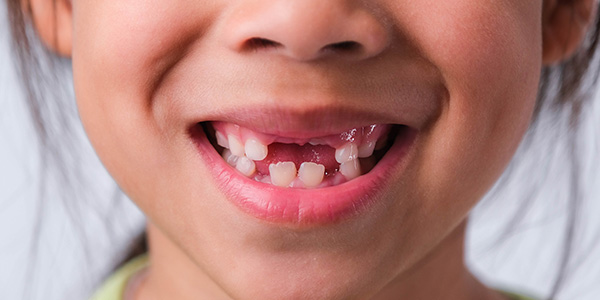
Low Resting Tongue Posture
Tongue sitting low in the mouth instead of on the palate, impacting jaw growth and airway.

Incorrect Swallowing Patterns
Involves excessive lip or cheek movement,
disrupting dental and facial development.
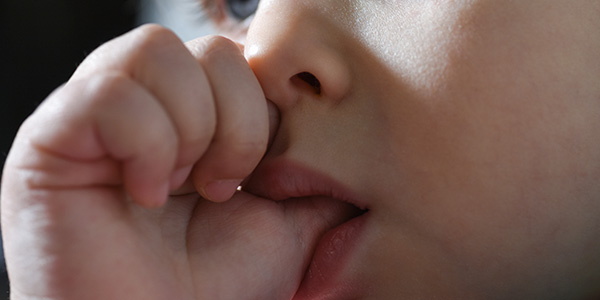
Thumb Sucking & Prolonged Pacifier Use
Leading to palate narrowing, open bites, and delayed speech.

Drooling or Difficulty Managing Saliva
Often linked to low muscle tone or improper lip seal.
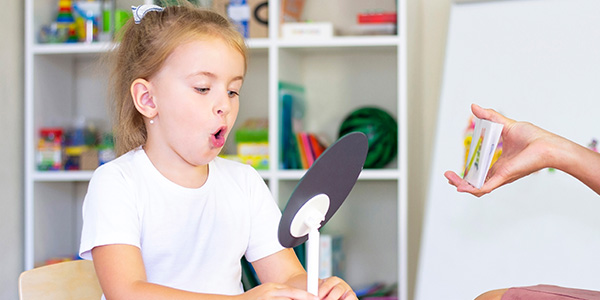
Speech Articulation Issues
Especially sounds like “S,” “L,” “T,” and “D” that are impacted by tongue placement.

Teeth Grinding (Bruxism)
Often related to airway obstruction or poor
muscle coordination.

Snoring & Sleep-Disordered Breathing
Poor oral muscle tone and improper tongue posture can contribute to noisy breathing and disrupted sleep.
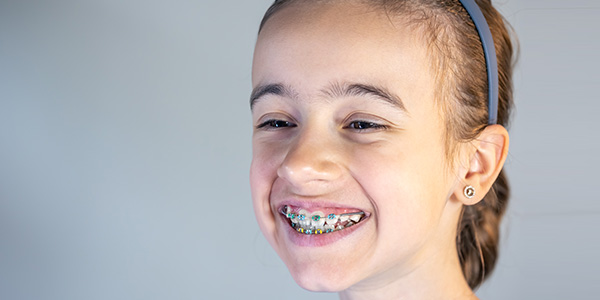
Improved Outcome with Braces
OMT supports natural jaw growth, guides teeth into better alignment, and enhances the stability of orthodontic treatment, often reducing the need for braces or preventing relapse after treatment.
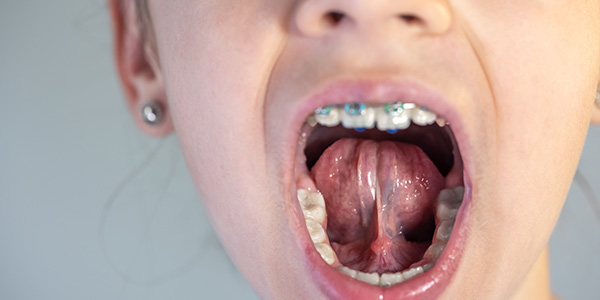
Before & After Tongue Tie Release
OMT helps prepare and retrain the tongue muscles for better healing, function, and jaw development post-release.
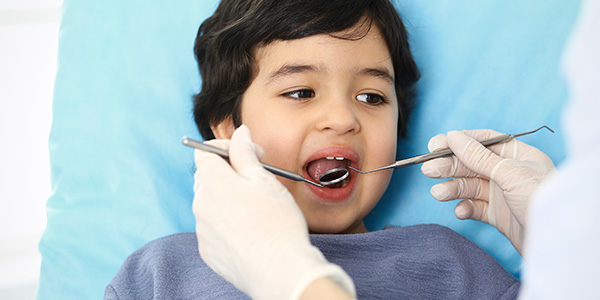
Lower Risk of Dental Issues
Timely management of jaw growth and development in child with OMT results in healthier tooth alignment, improved bite function.
How can OMT help Adults?
Improves Nasal Breathing
Helps reduce chronic mouth breathing and promotes healthier nasal airflow.

Reduces Snoring & Sleep Disturbances
Supports better tongue posture and airway function often improving sleep quality and reducing snoring or mild sleep apnea symptoms.

Supports Orthodontic Treatment
Improves long-term results by stabilizing bite and facial muscle balance before, during, or after orthodontic care.
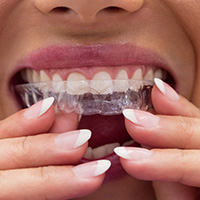
Improved Outcome with Braces
OMT supports natural jaw growth, guides teeth into better alignment, and enhances the stability of orthodontic treatment, often reducing the need for braces or preventing relapse after treatment.

Eases Jaw Tension & TMJ Discomfort
Targets muscle patterns that contribute to clenching, grinding, or jaw pain.

Boosts Facial Muscle Tone
Tones and balances oral and facial muscles, supporting improved posture, swallowing, and even facial aesthetics.

Prepares for Tongue Tie Release
Strengthens and retrains the tongue muscles pre- and post-frenuloplasty for better healing and mobility.

What to Expect During OMT
- Initial Assessment: Includes photos, videos, and a functional screening to understand your needs.
- Personalized Exercise Plan: Targeted routines tailored to your goals and habits.
- Session Frequency: Typically weekly or biweekly, depending on the case.
- Therapy Duration: Most programs run for 3 to 6 months, with progress reviewed regularly.
- At-Home Practice: Daily exercises are essential to build muscle memory and see results.
- Designed for both children and adults, with techniques tailored to age-specific needs
- Collaborative—we work closely with orthodontists, ENTs, and speech-language pathologists when needed, to ensure holistic support.

Oral Myofunctional Therapy can be beneficial at any age, depending on your needs. Here’s when it’s ideal to begin:

FAQS
- What age can my child start OMT?
- Children as young as 4 years old can begin therapy, especially if there are signs of oral habits, mouth breathing, or speech concerns.
- Is OMT Painful?
- Not at all. OMT involves gentle exercises and activities that are safe and comfortable for both kids and adults.
- How long does the therapy take?
- While timelines vary, most programs run between 3–12 months, depending on individual needs and consistency with home practice.
- Do I still need braces if I do OMT?
- OMT can reduce the need for braces or shorten orthodontic treatment time by addressing the root cause of misalignment.
- Can OMT help with snoring or sleep apnea?
- Yes, especially when combined with other treatments, OMT can improve tongue posture and airway tone, helping reduce snoring and mild sleep apnea symptoms.
- Can adults benefit from OMT?
- Definitely. OMT supports better breathing, sleep, jaw function, and can improve results from orthodontic or surgical treatments.
Early childhood (around age 4+)
Nip it in the bud by correcting habits like mouth breathing, thumb sucking, or low tongue posture before they affect growth